National High-Tech Enterprise





 WhatsApp
 Pyrolysis Plant For Sale from TOP Manufacturer
National High-Tech Enterprise
Pyrolysis Plant For Sale from TOP Manufacturer
National High-Tech Enterprise

Industry News



 May 7, 2026
In May 2026, the premier global event for the environmental industry—IFAT Munich International Environmental Technology Fair—will grandly open in Munich, Germany. As the world's leading trade fair for environmental technologies, IFAT consistently serves as a bellwether for showcasing advanced eco-friendly solutions. As you keep abreast of the latest industry news, you will discover that pyrolysis machine—representing a mature and eco-friendly thermal recycling technology—is increasingly being utilized for the treatment of solid and hazardous waste.
Indeed, pyrolysis is not merely an advanced technique for waste treatment; it is also a viable solution for achieving the goals of zero waste and carbon neutrality.
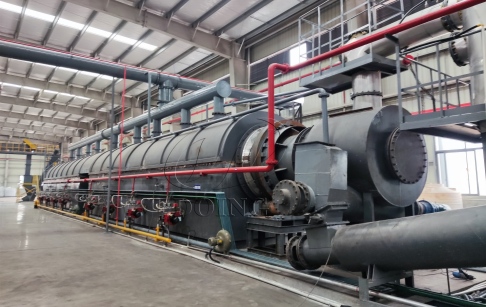
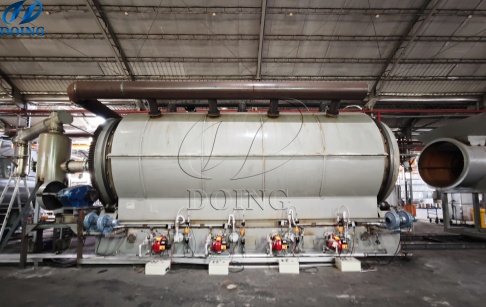
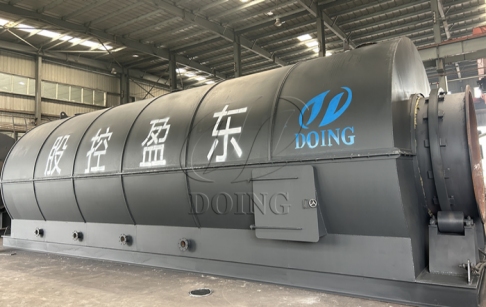
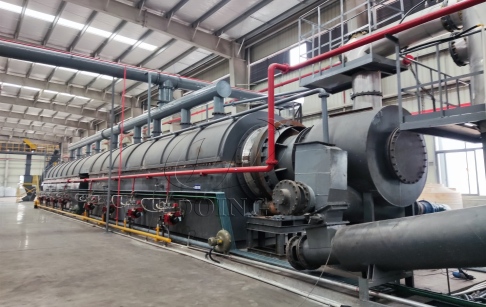
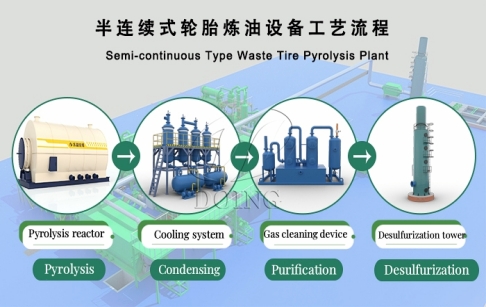
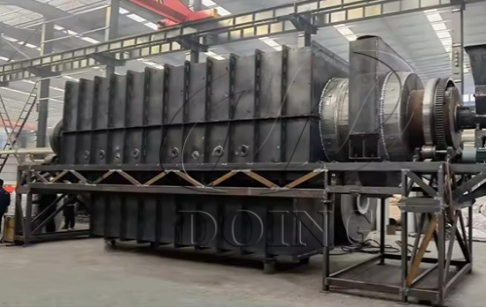
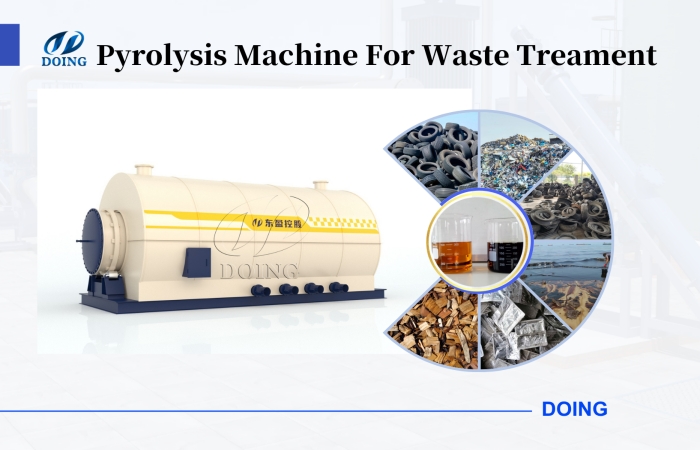 Pyrolysis machinery for waste treatment
Traditional solid hazardous waste treatment methods—such as landfilling—consume vast tracts of land and contaminate groundwater; incineration, conversely, generates significant quantities of secondary pollutants—such as dioxins and fly ash—while imposing immense pressure regarding carbon emissions.
While pyrolysis technology, by contrast, operates under oxygen-free or oxygen-deficient conditions to convert organic waste (including discarded rubber tires, plastic scrap, oil sludge and oil contaminated materials, municipal solid waste, medical waste, and biomass) into high-value products such as fuel oil, charcoal, fuel gas, and carbon black. The entire waste pyrolysis process generates no additional wastewater, and—equipped with environmental control systems for combustible gas recovery and tail gas treatment—it truly embodies the principle of turning waste into treasure.
The pyrolysis market has evolved over nearly three decades, progressing from technically mature batch-mode pyrolysis units to cost-effective semi-continuous systems, and finally to fully continuous, intelligent pyrolysis equipment. Processing capacities of pyrolysis machine for sale now range from small 1ton per day per set to several hundred tons per day, covering a wide spectrum of applications including municipal solid waste, hazardous waste, and agricultural residues. Pyrolysis technology has successfully transitioned from laboratory-scale experimentation to large-scale industrial application, establishing itself as an internationally recognized trend in eco-friendly waste treatment technology.
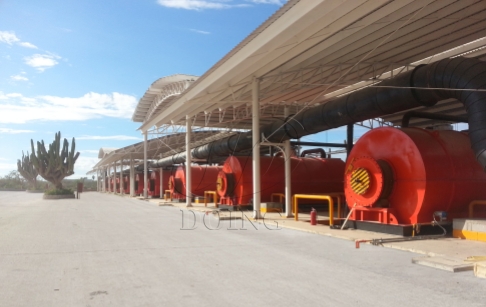
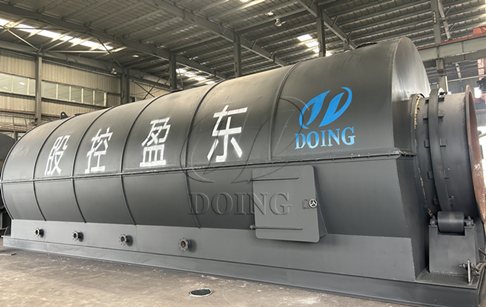
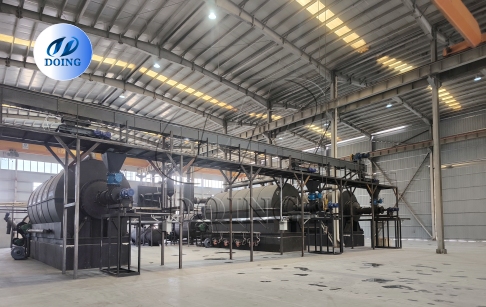
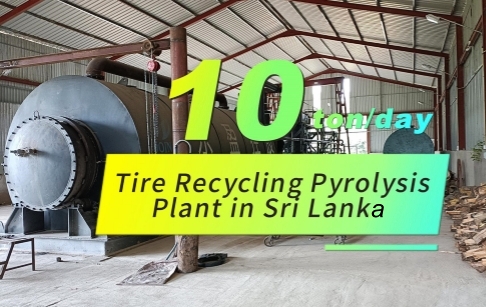
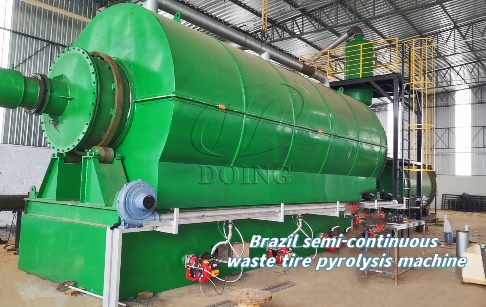
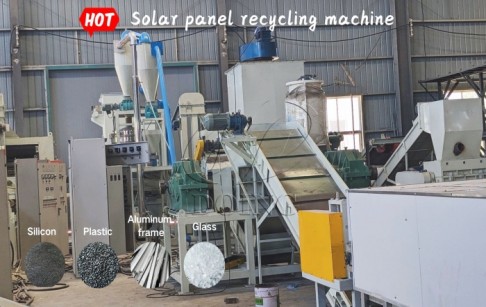
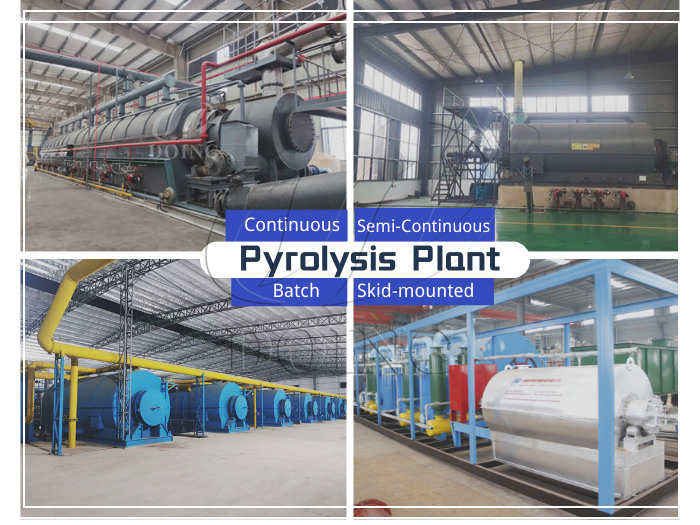 Different scales and types of pyrolysis machines
1. Anaerobic Pyrolysis: Eliminating Harmful Gases
The pyrolysis of solid waste and hazardous waste takes place within a sealed reactor, where external heating causes the waste to decompose at temperatures ranging from 300°C to 700°C. Due to the absence of oxygen, the hydrocarbons within the waste do not combust to form carbon dioxide; instead, they undergo thermal desorption or cracking to yield small-molecule combustible gases (such as H₂, CH₄, and CO). The entire waste pyrolysis and recovery system is designed to prevent any exhaust gas leakage; it can be equipped with a negative-pressure vacuum device, ensuring that tail gases undergo multi-stage purification—including dust removal, scrubbing, desulfurization, denitrification, and UV-photocatalytic oxidation—before being discharged in full compliance with environmental standards.
2. Resource Recovery: A Model for the Circular Economy
The utilization of pyrolysis products allows waste to regenerate valuable resources:
Pyrolysis Oil: This can directly replace fossil fuels for heating boilers in industrial plants and heavy-oil power stations. Furthermore, it can be further refined using waste-oil distillation equipment for use in heavy machinery or even as an additive blended into other oil products.
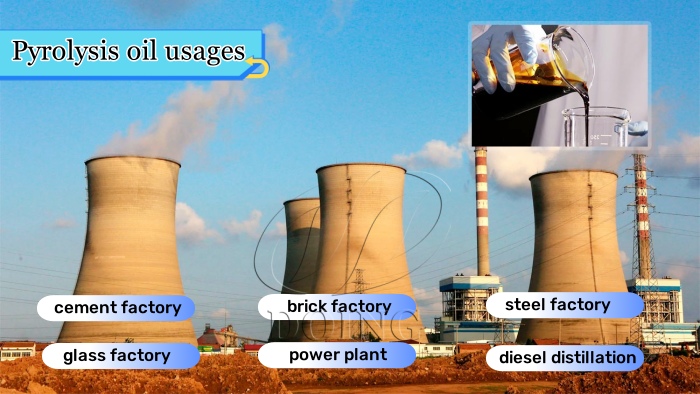 Pyrolysis oil usages as fuel oil
Charcoal/Biochar: Can be used for the production of activated carbon or soil amendments, serve as a substitute for coal, or be utilized for the exchange of carbon credits.
Pyrolysis carbon black: Is primarily applied in fields such as rubber filling, plastics coloring, metallurgical materials, and alternative fuels.
Combustible Gases(Syn-gas/Fuel Gas): recovered for heating the reactor of pyrolysis machine; directly used for other heating uses;
Taking the recycling and treatment of waste tires as an example, DOING Brand tire pyrolysis machine can recover approximately 40% oil, 35% carbon black, 15% steel wire, and about 5% combustible gas, achieving a comprehensive recovery rate exceeding 95%—and in some cases, reaching as high as 99%.
3. Significant Contribution to Carbon Reduction
Compared to incineration, pyrolysis technology reduces carbon emissions by 50% to 70%. For instance, biomass pyrolysis machines—by converting organic waste such as forestry residues (e.g., hardwoods, softwoods, wood chips, sawdust, etc.) and agricultural residues (e.g., coconut shells, empty palm fruit bunches, palm kernel shells) into biochar and sequestering it within the soil—can achieve negative carbon emissions. This kind of biomass pyrolysis machine represents one of the key technologies essential to the global pathway toward carbon neutrality.
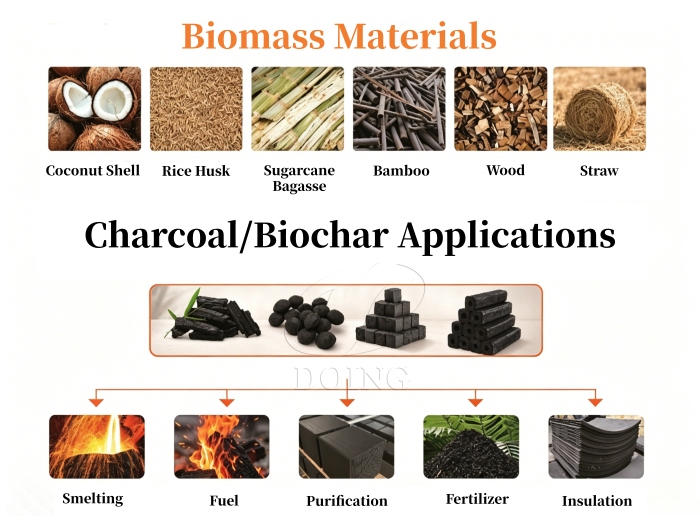 Biomass pyrolysis biochar applications
1. Technological Maturity: From Samples to Large-Scale Continuous Operations
Traditional pyrolysis machine faced skepticism due to issues such as low processing capacity, high energy consumption, and susceptibility to clogging. Today, the new generation of pyrolysis technology has successfully overcome these critical bottlenecks, achieving breakthroughs in areas such as feedstock sealing, heat transfer efficiency, and tar control. Taking DOING Brand fully continuous pyrolysis machine as an example, the system achieves dynamic sealed pyrolysis, with fully automated feeding and discharging processes. Intelligent PLC controls manage flow rates and temperature regulation, enabling a single unit to process over 15,000 tons of waste annually.
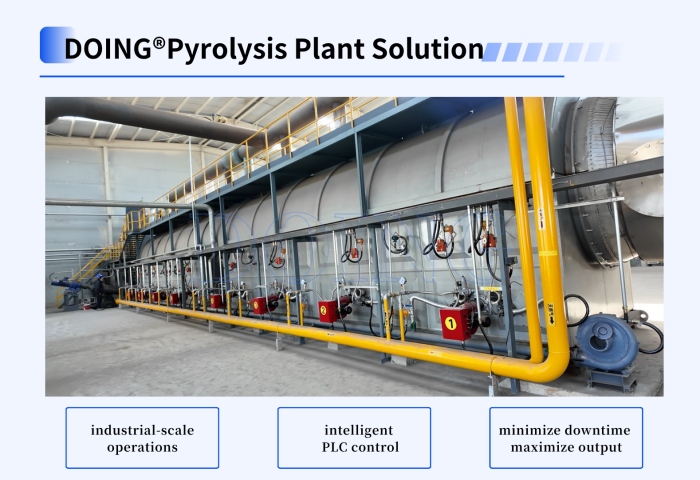 Latest continuous pyrolysis machine advantages
2. Economic Benefits: A Clear Return on Investment
Consider a recycling pyrolysis project designed to process 50 tons of plastic waste per day:
Output: Average daily production includes approximately 15,000 Nm³ of pyrolysis gas, 10–20 tons of industrial oil, and 15 tons of carbon residue.
Revenue: Generated through grid-connected power generation, oil sales, and the utilization of carbon residue, yielding an annual comprehensive income exceeding 1 million dollars.
As the global carbon trading market matures, revenue derived from carbon emission reductions offers the potential for further enhancement.
3. Policy Dividends: Accelerating Implementation of Global Environmental Regulations
From the EU's Waste Framework Directive to China's Waste-Free Cities initiative and the upgrading of solid waste treatment systems across ASEAN nations—regulatory mandates increasingly require the reduction and harmless treatment of municipal solid waste, medical waste, and hazardous industrial waste. Due to its compact footprint, rapid construction timeline, and operational flexibility, pyrolysis machine is particularly well-suited for regions facing land constraints and stringent environmental standards, making it the preferred choice for both government entities and private enterprises.
As an experienced pyrolysis equipment manufacturer with over fifteen years, Henan DOING Company is dedicated to providing clients with a comprehensive, one-stop service encompassing Design, Manufacturing, Installation, Operation & Maintenance.
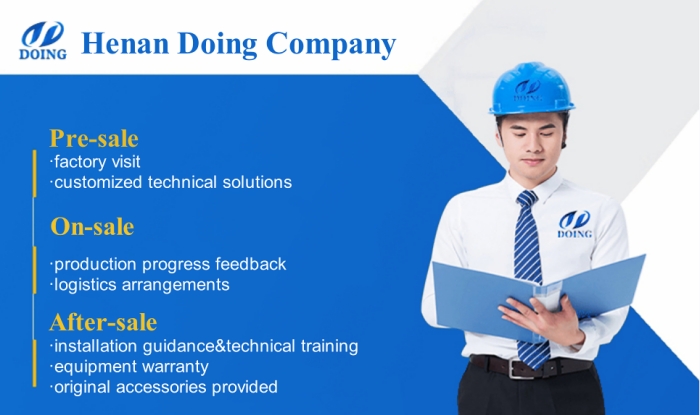 Pyrolysis machine manufacturer one stop services
Here are Our Core Advantages: Henan DOING Company boasts a core technical team and has earned numerous honors and certifications—including invention patents, utility model patents, High-Tech Enterprise recognition, and ISO, CE, and SGS certifications. Our multi-stage tail gas purification system ensures emission levels that meet both U.S. and EU environmental standards. Furthermore, the regulatory compliance and eco-friendly nature of DOING pyrolysis machine can significantly assist you in obtaining the International Sustainability and Carbon Certification (ISCC). Case Study Coverage: Our systems have been successfully implemented in over 100 countries and regions—including the United States, Russia, India, Indonesia, France, Mexico, the United Kingdom, Panama, Japan, China, the Middle East, South Korea, Fiji, Nigeria, South Africa, Malaysia, and Ghana. The materials processed span a wide range of solid and hazardous wastes, such as tires, oil sludge, municipal solid waste, medical waste, and biomass.
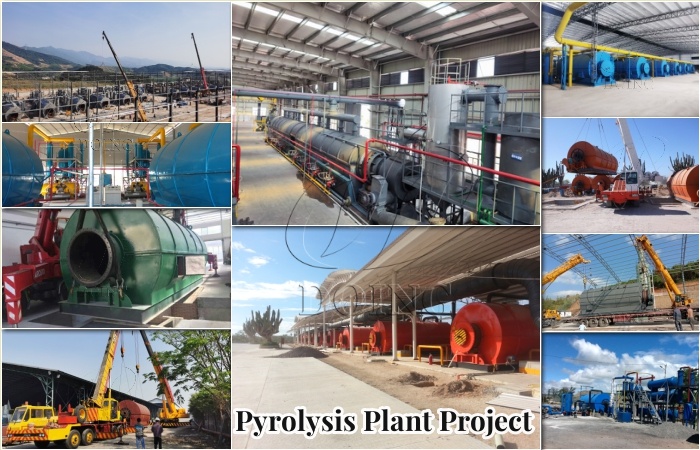 DOING pyrolysis machine projects all around the world
Our inclusion in numerous waste treatment and recycling exhibitions—such as IFAT Munich—along with mentions by environmental protection agencies, signals a clear trend: pyrolysis is evolving from an alternative technology into a mainstream, eco-friendly solution for waste treatment. In the face of increasingly severe waste pollution and resource scarcity, pyrolysis machine offers exceptional environmental performance and practical viability.
If you are seeking an efficient, eco-friendly, and sustainable solution for the treatment of solid waste and hazardous waste, we invite you to contact Henan Doing Company to develop a customized pyrolysis technical plan that ensures the success of your project. Let us help you transform waste from a burden into a valuable resource—and a source of profit!
Please feel free to leave your contacts here and your privacy is protected. A competitive quotation will be provided according to your detailed requirement within one business day.