National High-Tech Enterprise





 WhatsApp
 Pyrolysis Plant For Sale from TOP Manufacturer
National High-Tech Enterprise
Pyrolysis Plant For Sale from TOP Manufacturer
National High-Tech Enterprise

Industry News



 April 23, 2026
Biochar production has emerged as a credible pathway for generating Carbon Removal Credits (CRCs), as it converts biomass into stable carbon that can remain sequestered in soil for hundreds of years. However, to qualify for certified credits, producers must meet strict technical, environmental, and verification requirements.
To obtain carbon removal credits through biochar production, a series of specific requirements must be met. These requirements vary depending on the certifying body, but the core elements remain similar. The following are the key steps and requirements:
Biomass feedstocks must be sustainably sourced—for example, agricultural straw, wood chips, or organic waste. Agricultural residues, forestry waste, and other non-food biomass are typically accepted, while materials that cause deforestation or compete with food supplies are not. Requirement: Demonstrate the legal sourcing of raw materials, avoiding illegal logging or environmental destruction.
The following are some biomass feedstocks suitable for biochar carbonization&pyrolysis:
Crop Residues: Such as rice straw, wheat straw, corn cobs, corn stalks, rice husks, peanut shells, bean stalks, cotton stalks, etc.
Livestock and Poultry Manure: Excrement from farmed animals such as pigs, cattle, chickens, etc.
Agricultural Processing Residues: Such as fruit pomace, soybean dregs, spent grains (brewery waste), residues from traditional Chinese medicine processing, etc.
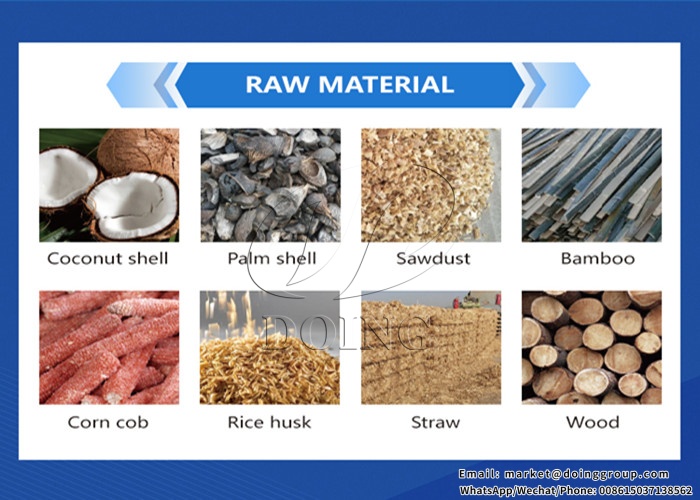 Biomass feedstocks for pyrolysis biochar production
Prunings from Fruit Trees and Timber Forests: Such as tree branches, vines, dead branches, fallen leaves, etc.
Harvesting Residues: Such as stumps, tree tops, small-diameter timber, branches, etc.
Forest Cleaning and Tending Residues: Such as shrubs, weeds, and miscellaneous branches and leaves resulting from clearing operations.
Wood Processing Residues: Such as sawdust, wood chips, shavings, offcuts, bark strips, etc.
By-products of Forestry Product Processing: Such as fruit shells and pits (e.g., walnut shells, palm kernel shells), etc.
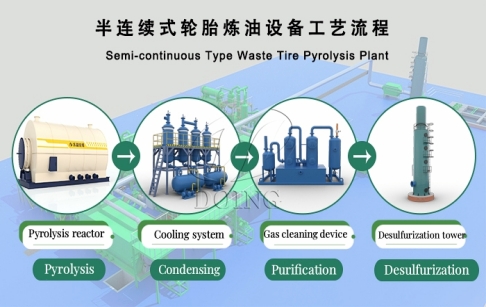
Biochar production must employ pyrolysis processes that adhere to established standards, thereby ensuring the stability of the biochar and the carbon sequestration efficacy. The production process requires the recording of specific data—including temperature, residence time, and yield—to support carbon accounting.
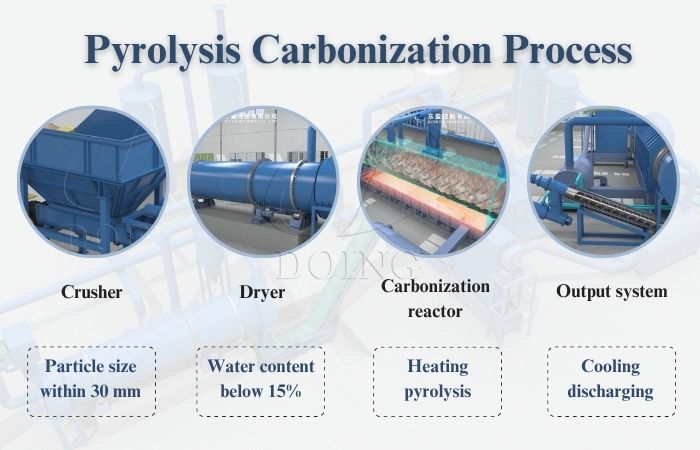 Pyrolysis process for biochar production
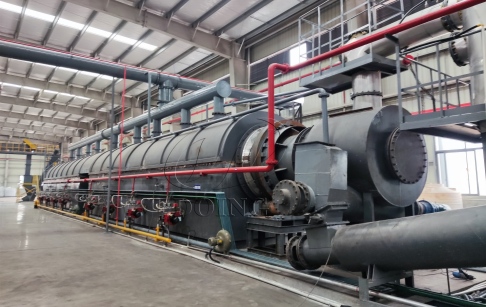
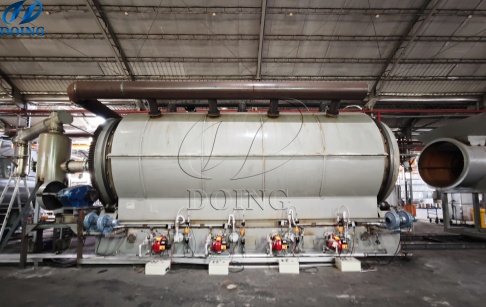
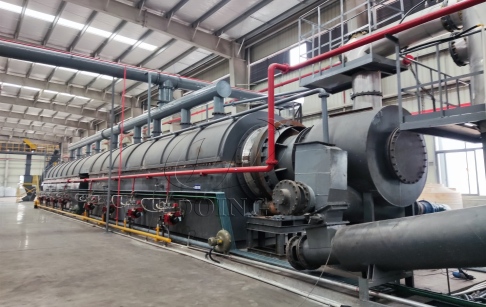
Modern continuous pyrolysis or carbonization systems operating under controlled, oxygen-limited conditions—are the preferred choice, as they produce high fixed-carbon biochar and predictable properties.
Emissions across the entire life cycle must be quantified in order to accurately calculate the amount of carbon sequestered during the biochar production process. This includes energy consumption, transportation, drying, and any auxiliary fuel use. Only the net carbon removed—after subtracting operational emissions—can be credited. If high-efficiency biochar pyrolysis machine is employed to recover syngas for self-heating purposes, the carbon balance can be significantly improved.
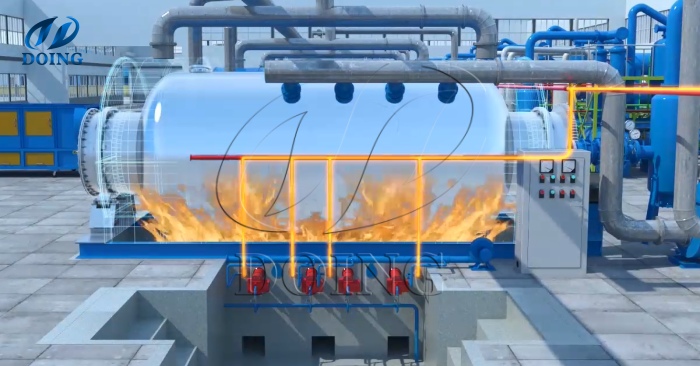 Biochar pyrolysis gas recovery system
Carbon removal credits must undergo verification and certification by independent third party to ensure compliance with the requirements of international or regional carbon credit standards. Common standards typically require that carbon removal efficiency reach a minimum of 80%.
The produced biochar must be properly applied or stored to ensure long-term sequestration. Soil application is the most common pathway, but industrial uses that lock carbon for decades may also qualify. Following its application, the biochar requires long-term monitoring to ensure the durability of the carbon storage, and the status of this storage must be reported periodically; this constitutes a critical step in maintaining the validity of the carbon credits.
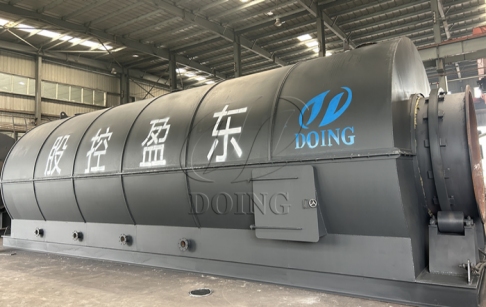
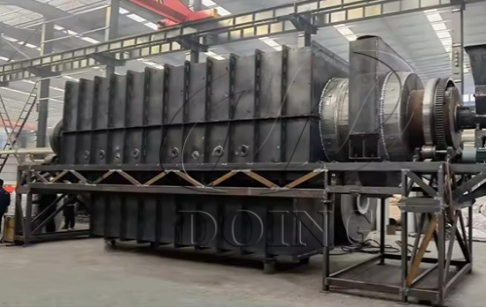
For project developers, selecting reliable carbonization machine is critical. High-efficiency systems with stable operation, low emissions, and automated data logging greatly simplify compliance. As a specialized manufacturer of biochar production machine, Henan Doing Company offers a comprehensive product line—ranging from small-scale units to industrial-grade continuous pyrolysis machines—designed to support renewable energy initiatives and ensure that your biochar production process is both highly efficient and fully compliant.
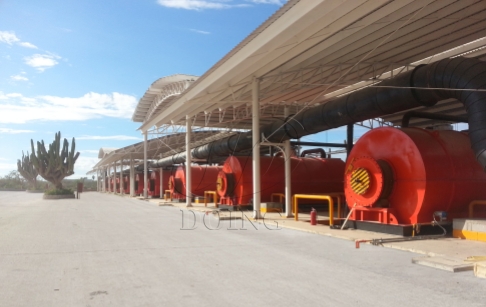
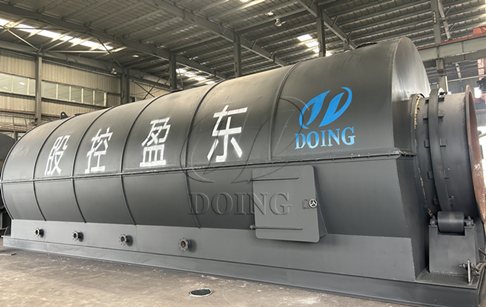
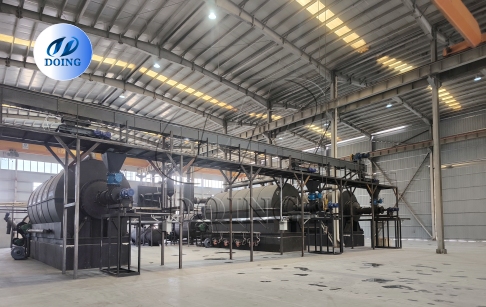
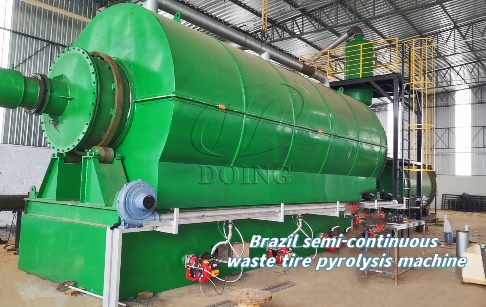
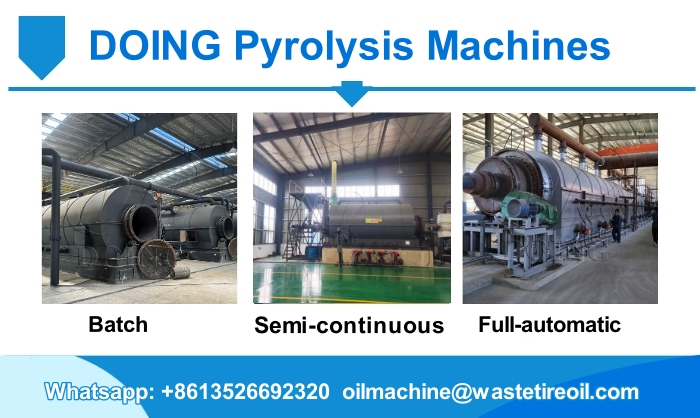 DOING biochar production pyrolysis machine
DOING biochar production machine is designed to process a wide variety of feedstocks, ensuring high conversion efficiency and enabling you to easily manage diverse forms of biomass waste. Equipped with the advanced PLC automated control system, our machinery allows for the precise monitoring and regulation of the carbonization process; this includes the ability to adjust critical parameters—such as pyrolysis temperature and residence time—to meet the specific requirements of different raw materials and desired biochar outputs.
Furthermore, we recognize the critical need for data traceability within carbon credit projects. Our equipment features integrated data acquisition capabilities that assist users in recording key production metrics, providing the essential informational support required for carbon accounting and helping to streamline the monitoring and reporting processes.
By selecting reliable biochar production machine that meets these rigorous standards, biochar producers can achieve more than just the conversion of agricultural and forestry waste into highly valuable biochar; they can transform these materials into long-term carbon removal assets. In doing so, they generate significant economic returns while simultaneously delivering substantial environmental benefits. If you are considering launching biochar production project, we invite you to consult with the expert team at DOING Company.
Please feel free to leave your contacts here and your privacy is protected. A competitive quotation will be provided according to your detailed requirement within one business day.